Cat, Dog, Nutrolin® TEETH & GUMS
From teeth to wellbeing – What every dog and cat owner should know about oral health
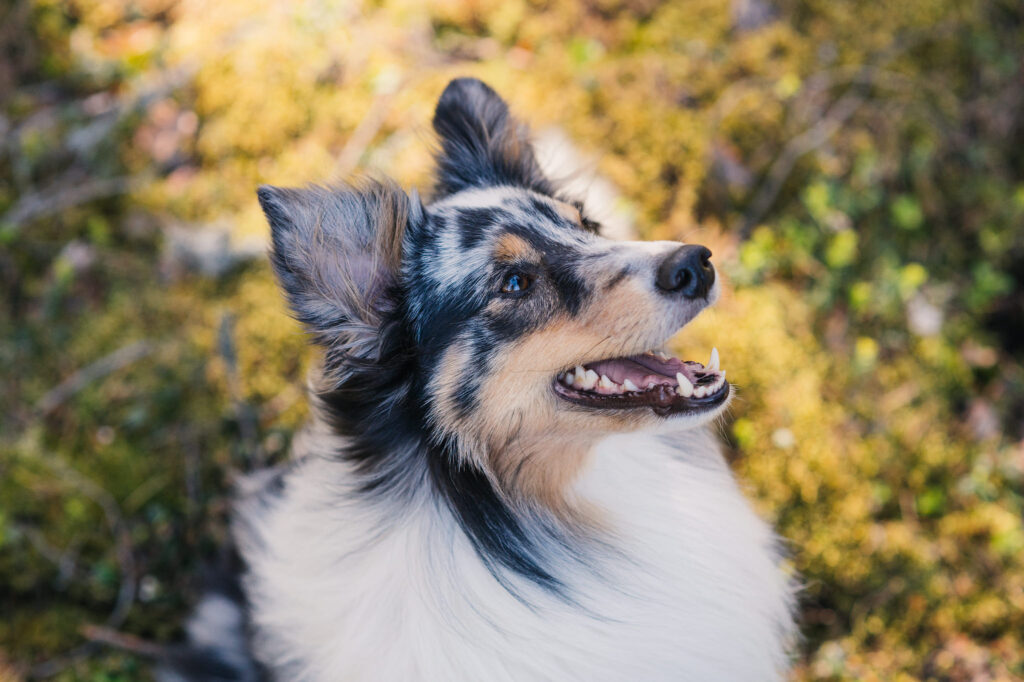
Oral wellbeing is one of the cornerstones of your pet’s overall health. It plays a vital role in everything from eating and energy levels to immune function and behaviour. In this article, we explore oral health in dogs and cats.
Hidden oral issues
Oral diseases are unfortunately very common in dogs and cats – and, perhaps most concerning of all, they often develop gradually and unnoticed. Left untreated, oral conditions can also become very painful.
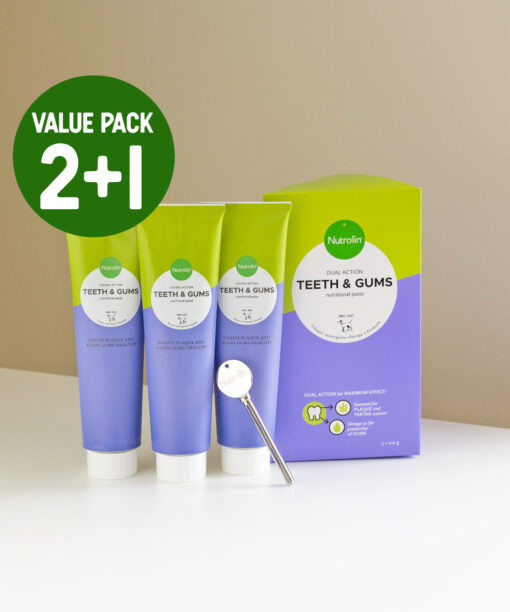
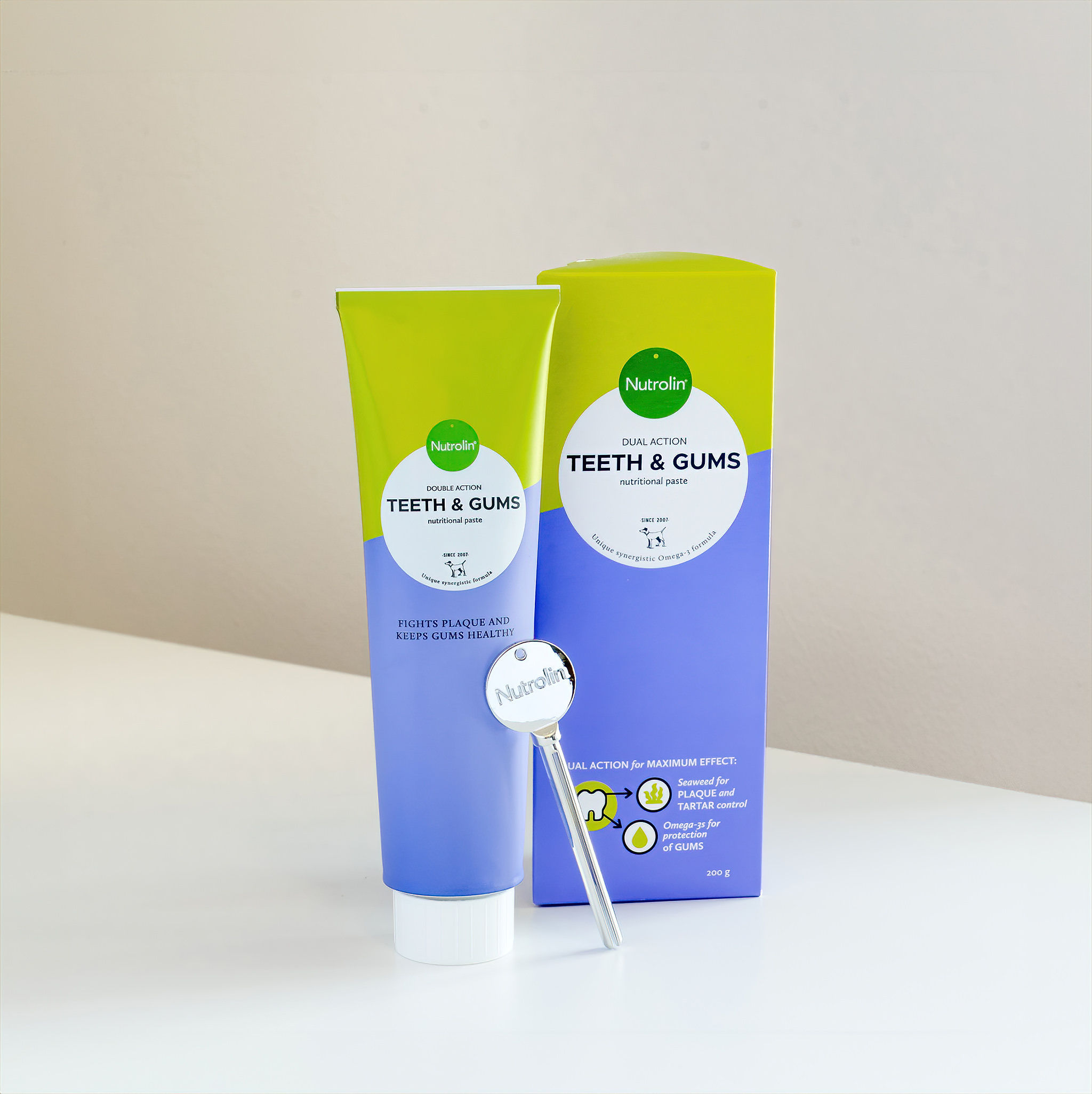
Fortunately, help is available. Veterinarians are well equipped to treat a wide range of conditions. In addition, modern nutritional support solutions, such as Nutrolin® TEETH & GUMS, offer genuinely effective ways to support oral health at home.
The most common oral health problems in dogs and cats
The most common oral health issues in dogs and cats include bad breath, plaque and tartar, gingivitis, periodontitis and receding gums.
Bad breath, or halitosis, is most often caused by metabolic by-products of bacteria in the mouth. In particular, bacteria that produce sulphur compounds are responsible for unpleasant odours. These bacteria thrive in the presence of plaque, tartar and inflamed gums.
Common contributing factors include poor oral hygiene, dry mouth, inflamed gums and bacterial coating on the tongue. While breath fresheners may mask the odour temporarily, a lasting solution requires addressing the underlying causes, such as plaque and harmful bacteria.
Plaque is a bacterial film that forms on the surface of the teeth. It consists of oral bacteria, saliva and food debris, and it forms continuously.
If plaque is not regularly removed through brushing and interdental cleaning, it thickens and hardens. Once hardened, plaque becomes tartar. Tartar is firmly attached to the tooth surface and cannot be removed with home care – it must always be treated by a veterinarian.
The accumulation of plaque and tartar creates an ideal environment for harmful bacteria and is a key risk factor for gum disease.
Gingivitis is an inflammation of the gums surrounding the teeth, most commonly caused by plaque build-up. Inflamed gums are typically red, swollen and sensitive, and they may bleed during brushing or when cleaning between the teeth.
Gingivitis is very common in both dogs and cats but, fortunately, it is easy to prevent and treat. With regular plaque removal and improved oral hygiene, the inflammation can resolve completely. However, if left untreated, gingivitis can progress into a more serious condition affecting the supporting structures of the teeth – periodontitis.
Periodontitis is an advanced inflammatory disease that damages the structures supporting the teeth, including the gums, connective tissue and jawbone. It typically develops as a result of untreated gingivitis, when bacteria penetrate deeper beneath the gum line.
In periodontitis, pockets form between the gums and teeth, where bacteria accumulate. This can lead to gradual destruction of the jawbone and loosening of the teeth. The disease often progresses slowly with few obvious symptoms, which means it is frequently diagnosed at a relatively late stage. It is one of the most common dental diseases in both humans and pets.
Gum recession occurs when the gum tissue pulls away from the teeth, exposing the tooth neck or root. This can cause sensitivity and pain, and the mouth may become more sensitive to hot or cold.
Receding gums are often linked to long-term inflammation, periodontitis or mechanical stress, such as overly aggressive brushing. As the gums recede, the natural protection of the tooth is reduced, making it more susceptible to wear and decay. Early detection and effective management of inflammation are essential in preventing gum recession.

-
 Nutrolin® TEETH & GUMS paste
35.90€ 78.90€Price range: 35.90€ through 78.90€
Nutrolin® TEETH & GUMS paste
35.90€ 78.90€Price range: 35.90€ through 78.90€
testimonial
Armi and Miina – Tartar under control
Meet Armi and Miina, two Parson Russells who both had significant tartar build-up. A veterinarian cleaned the teeth of five-year-old Armi, while younger Miina was given some additional time. At that point, their owner Hanna began using Nutrolin® TEETH & GUMS.
“I would like to sincerely thank you for developing such an excellent product. My one-year-old Parson had significant tartar build-up, but after six months her teeth were almost perfectly clean. The situation is just as good for my older dog.”
How can you care for your dog’s and cat’s teeth at home?
The foundation of your pet’s oral health is an observant owner. Check your dog’s or cat’s mouth regularly – this helps you notice plaque build-up, bad breath or changes in gum health early.
The most effective approach is to combine several methods:
- Brush your dog’s or cat’s teeth regularly, ideally daily. Pet-specific toothbrushes and toothpastes are available from pharmacies.
- Add Nutrolin® TEETH & GUMS oral care paste to your pet’s food
- Provide chewing options such as dental chews or enrichment products that mechanically clean the mouth
- Ensure your dog’s or cat’s diet is appropriate and that fresh water is always available
Consistency is key – even small daily actions can make a meaningful difference.
Fatty acids and seaweed support oral health
Omega-3 fatty acids from fish oil and seaweed have been shown to support oral health.
Numerous studies demonstrate that omega-3 fatty acids help to reduce inflammation in the body, which in turn supports gum health. (Calder, 2017; Serhan & Levy, 2018) Healthy gums, for example, are better able to defend against harmful bacteria. (Miroult ym., 2022)
Another effective way to support dental care at home is to add a seaweed-based supplement to your pet’s diet. Seaweed has been shown to reduce plaque accumulation. (Gawor ym., 2018; Van Dijken ym., 2014)
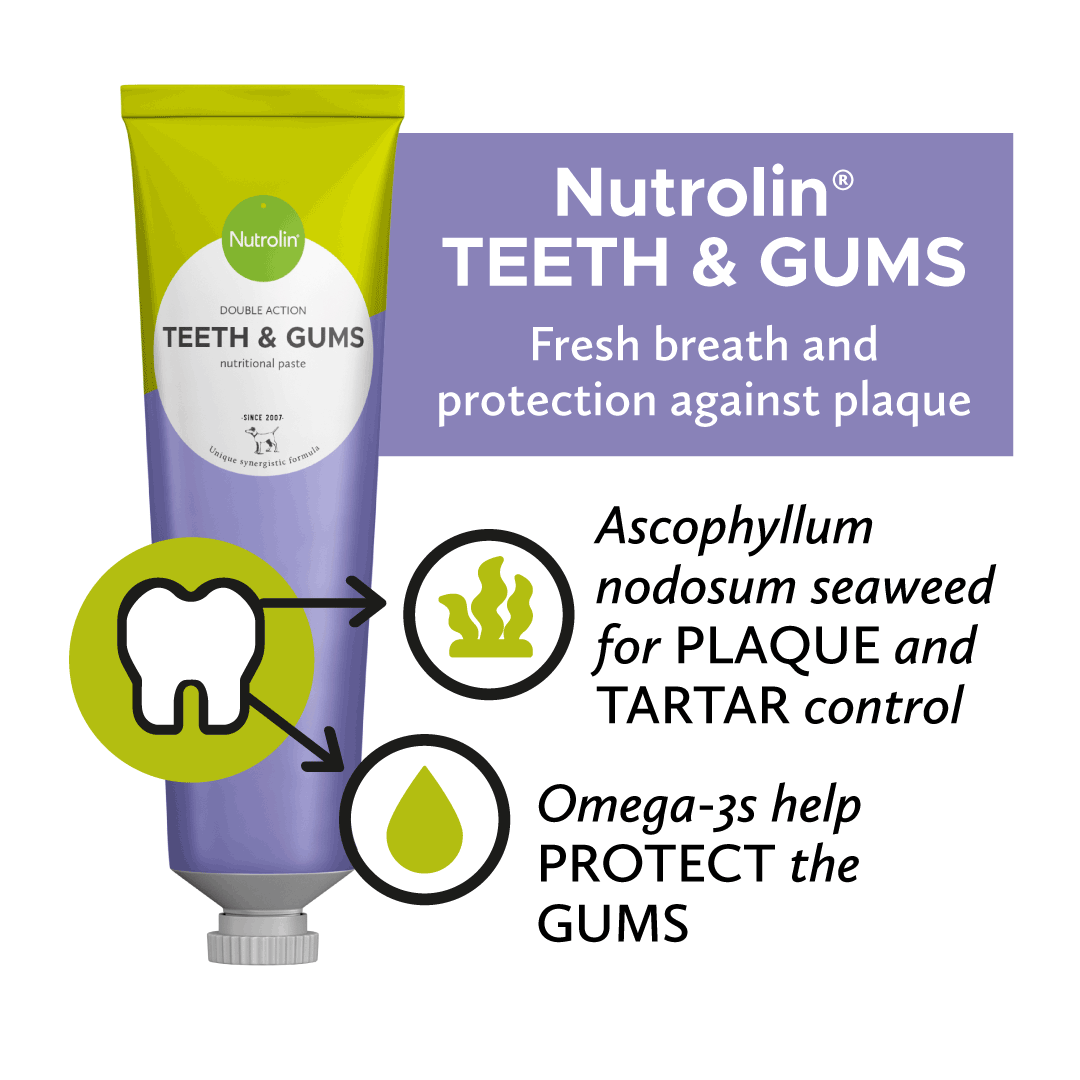
However, not all seaweed is equally effective, so product selection matters. For example, Nutrolin® TEETH & GUMS contains Ascophyllum nodosum seaweed, which has been shown to help reduce plaque and tartar formation. (Gawor ym., 2018; Van Dijken ym., 2014).

When should you take your dog or cat to the vet?
Home care alone is not always enough. In some cases, a veterinary visit is necessary. Every veterinarian is trained to assess your pet’s oral health and recommend appropriate treatment.
You should consult a veterinarian if your dog or cat has:
- Persistent bad breath despite regular home care
- Significant tartar build-up
- Visible pain when the mouth is touched
- Bleeding gums
- Loss of appetite or reduced interest in chewing
- Swelling or lumps in the mouth area
- A loose or broken tooth
It is important to remember that tartar cannot be removed at home – it must always be treated by a veterinarian.
Which dogs and cats are more prone to oral health problems?
While oral health issues can affect pets of any age, breed or size, some groups require closer monitoring.
Small dogs are particularly prone to dental problems, as the composition of their saliva and crowded teeth can promote plaque accumulation. Indoor cats are also at higher risk, as diets consisting of softer, processed foods provide less natural mechanical cleaning.
Senior pets also require special attention, as the resilience of their gums and oral tissues decreases over time.
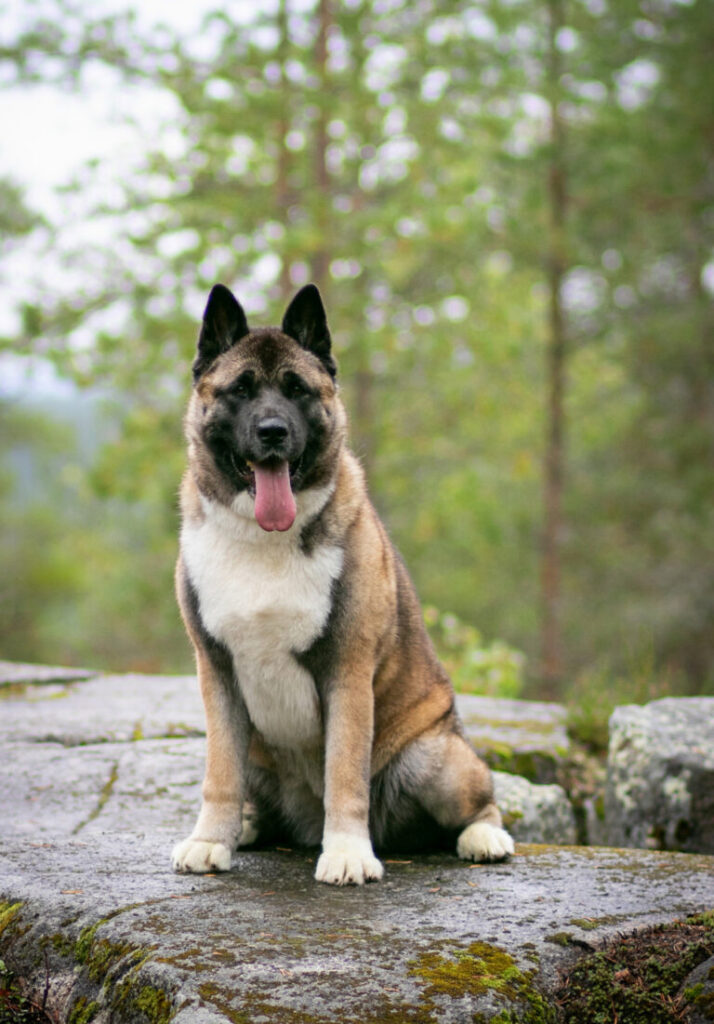
Certain breeds, such as Akitas and American Akitas, may be affected by a hereditary condition known as amelogenesis imperfecta (AI), which disrupts enamel formation. Without proper enamel, teeth and gums are more vulnerable to inflammation and damage.
testimonial
Lara – Clean teeth with a Finnish oral care solution
At the age of three, American Akita Lara was diagnosed with a severe enamel defect (AI) by her veterinarian.
Despite professional cleaning, coating treatments and daily dental care, Lara’s teeth began to yellow again within a few months.
Fortunately, her owner discovered Nutrolin® TEETH & GUMS. After around six weeks of use, Lara’s teeth had returned to an almost normal colour. At the annual check-up, Lara even surprised the veterinarian – X-rays confirmed that tartar and gingivitis were no longer present.
Two years later, in April 2026, the situation remains just as good.
“In addition to brushing, Nutrolin® TEETH & GUMS is the only product I use to maintain Lara’s dental wellbeing,” the owner says.
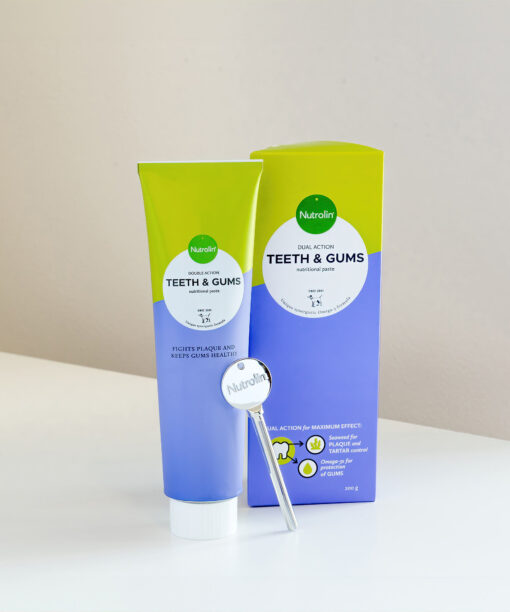
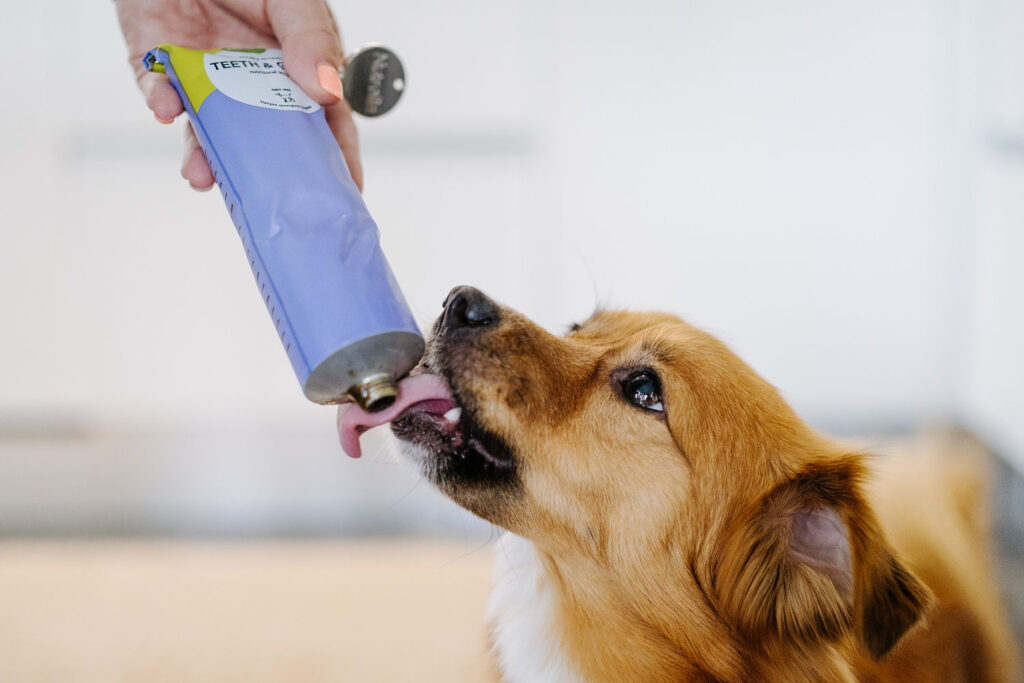
Nutrolin® TEETH & GUMS
Fresh breath and protection against plaque
- Supports dental and gum health
- Makes dental care easier

High-quality ingredients

High levels of active ingredients
Developed and manufactured in Finland

Strong scientific background
References:
Calder, P.C. (2017). Omega-3 fatty acids and inflammatory processes: from molecules to man. Biochem. Soc. Trans. 45(5):1105-1115
Gawor, J., Jank, M., Jodkowska, K., Klim, E., & Svensson, U.K. (2018). Effects of edible treats containing Ascophyllum nodosum on the oral health of dogs: A double-blind, randomized, placebo-controlled single-center study. Front. Vet. Sci. 5: 168.
Miroult, C., Lasserre, J., & Toma, S. (2023). Effects of omega-3 as an adjuvant in the treatment of periodontal disease: A systematic review and meta-analysis. Clin. Exp. Dent. Res. 9(4): 545–556.
Serhan, C.N., & Levy, B.D. (2018). Resolvins in inflammation: emergence of the pro-resolving superfamily of mediators. J. Clin. Invest. 128(7): 2657–2669.
Van Dijken, J.W., Koistinen, S., & Ramberg, P. (2015). A randomized controlled clinical study of the effect of daily intake of Ascophyllum nodosum alga on calculus, plaque, and gingivitis. Clin. Oral. Investig. 19(6): 1507–1518.