
Uncategorized
Fatty acids in equine nutrition: Why horses need different omegas?
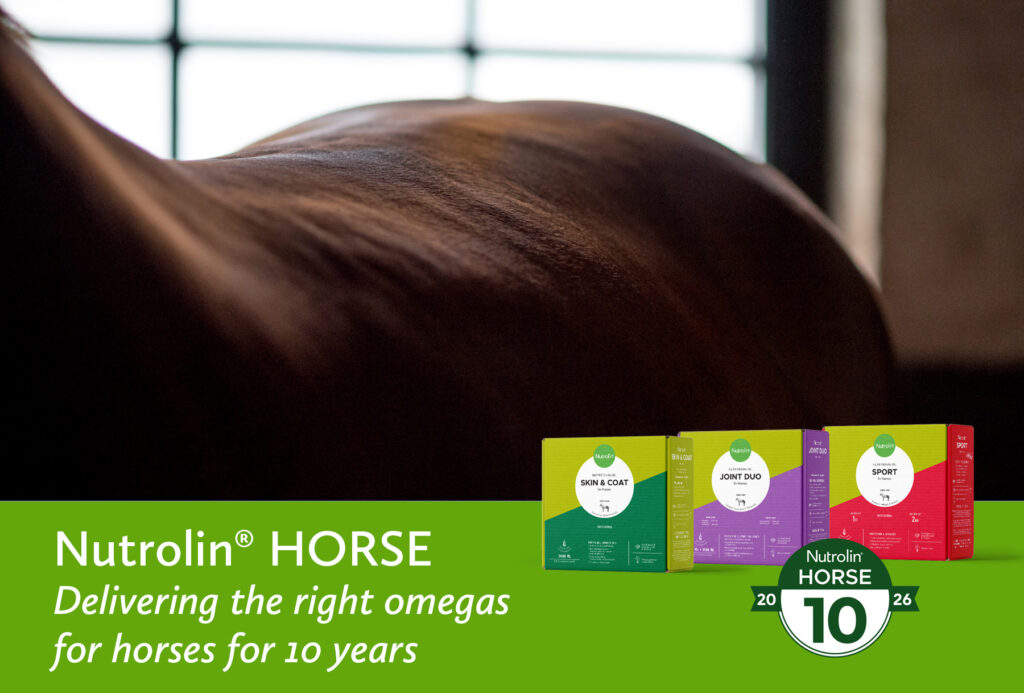
An oil supplement is more than just a source of energy. The fatty acids it contains, commonly known as omegas, are essential building blocks of cells. They support skin and coat condition, have an impact on performance and recovery, and contribute to joint health. That is why both the quantity and the quality of fatty acids matter.
In this article, we explain the different roles of fatty acids and how the unique Nutrolin® HORSE range helps meet the varying fatty acid requirements of different horses.
Why do horses need different omegas?
Oil supplements are often discussed in terms of energy intake, but this is only part of the picture. Different fatty acids perform different functions within the body, which is why a single product rarely meets all of a horse’s nutritional needs.
In addition to supporting healthy skin and coat, performance, recovery, and joint health, fatty acids have numerous other functions. They contribute to normal nervous system function and help support the body’s natural defence mechanisms. Rather than being just another nutrient, fatty acids are integral to virtually every physiological process in the horse.


The most important fatty acids found in plant oils and marine oils
Fatty acids are commonly classified as omega-3 and omega-6 fatty acids. Among these, the plant-derived fatty acids alpha-linolenic acid (ALA) and linoleic acid (LA) are essential, meaning the horse must obtain them from the diet.
The Nutrolin® HORSE range supports equine wellbeing by combining carefully selected fatty acids with targeted nutrients.
Fatty acids from plant oils are essential for horses
The horse’s natural diet is based on grasses and high-quality forage. Fresh pasture grass naturally contains fatty acids, particularly the omega-3 fatty acid ALA. As a grazing animal, the horse evolved to obtain most of its fatty acids from this source.
However, the feeding practices of many modern horses differ significantly from natural grazing. During winter, horses are primarily fed hay or haylage, and the fatty acid composition of forage changes during harvesting and storage.
The most important fatty acids found in plant oils include:
- Linoleic acid (LA, omega-6)
- Alpha-linolenic acid (ALA, omega-3)
- Gamma-linolenic acid (GLA, omega-6)
- Stearidonic acid (SDA, omega-3)
Plant-based fatty acids are particularly important for maintaining healthy skin and coat condition. For example, the patented formulation of Nutrolin® HORSE Skin & Coat contains a high concentration of linoleic acid (LA), the essential omega-6 fatty acid required for healthy skin and coat growth, together with omega-3 and omega-6 fatty acids (ALA, GLA and SDA) that support its metabolism.
An essential fatty acid is one that the horse cannot synthesise itself and therefore must obtain through nutrition.
Because the nutritional requirements of active leisure horses and competition horses extend beyond basic maintenance, targeted fatty acid supplementation has become an important part of modern equine feeding.

Horses benefit from marine fatty acids too
Marine omega-3 fatty acids are not the same as the omega-3 and omega-6 fatty acids found in plant oils, nor can they replace one another. Marine fatty acids are primarily sourced from fish oil or microalgae oil.
The key marine fatty acids are:
- Eicosapentaenoic acid (EPA, omega-3)
- Docosahexaenoic acid (DHA, omega-3)
While plant-based fatty acids remain fundamental for horses, they can also benefit from marine omegas.
Fish oil and microalgae oil provide EPA and DHA, which the horse can utilise directly. These fatty acids contribute to immune function and support recovery. Numerous studies have demonstrated that EPA and DHA from fish oil help modulate inflammatory processes within the body (Calder, 2017; Serhan & Levy, 2018).
By contrast, the omega-3 fatty acid ALA found in plant oils such as linseed, rapeseed, hemp and chia does not exert the same anti-inflammatory effects. Although ALA can be converted into EPA in some species, studies in horses have shown little to no meaningful conversion into EPA or DHA. In practice, only fish oil supplementation increased cellular EPA and DHA concentrations (Siciliano et al., 2003; Vineyard et al., 2010; Hess et al., 2012).
Although fish is not part of the horse’s natural diet, research has consistently shown that marine omega-3 fatty acids can be a valuable addition to modern equine nutrition (Siciliano et al., 2003).
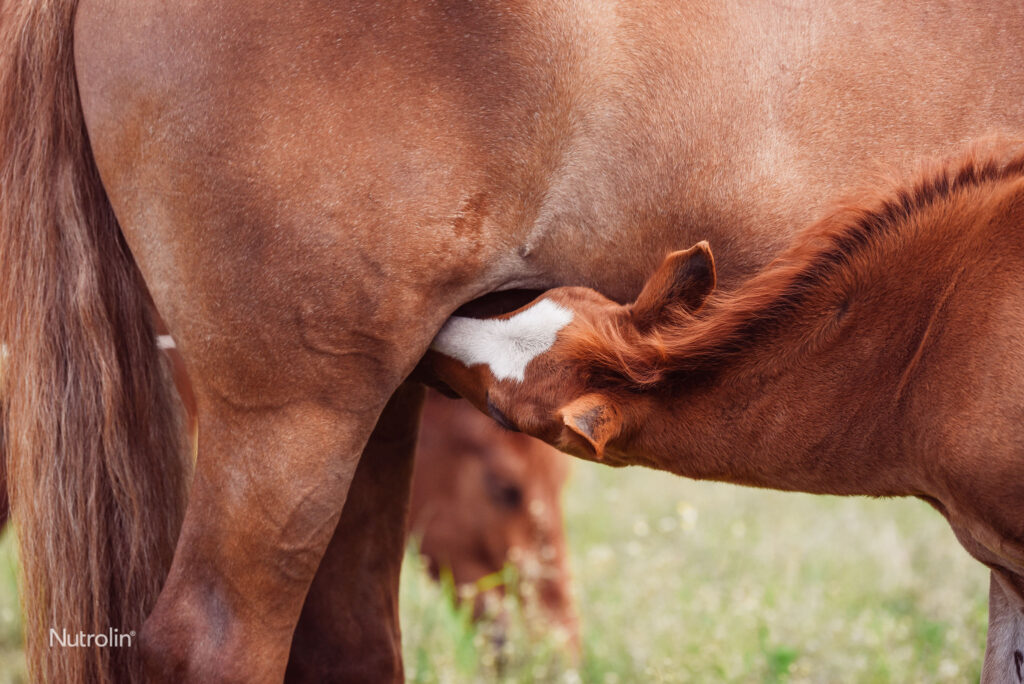
Marine omega-3s also support breeding
Marine omega-3 fatty acids play an important role in reproduction and foal development.
DHA is considered one of the most important omega-3 fatty acids for mammalian development. It is essential for the normal development of the nervous system, brain and vision.
During the final third of gestation, foetal growth accelerates rapidly, increasing the mare’s nutrient requirements. At this stage, particular attention should be paid to providing sufficient omega-3 fatty acids together with high-quality vitamin E supplementation. During lactation, fatty acids supplied to the mare continue to play an important role because they are transferred to the foal through milk.
Omega-3 fatty acids are also important for stallions. Fatty acids are integral components of sperm cell membranes, making adequate intake an important consideration in breeding stallion nutrition.
For breeding horses, fatty acid nutrition is not simply about maintaining wellbeing. It is also about supporting reproductive performance and providing nutritional support for the developing foal as part of a balanced feeding programme.
Customer story
“Nutrolin® HORSE Sport has become an important part of everyday life for our breeding and competition horses. Recovery in our mares is more consistent, and they maintain good condition even during intensive training. We use Nutrolin® products because they genuinely work.”
Riikka Kvarnström, Björkkärr stables
-
 Nutrolin® HORSE Sport
109.90€

How to choose the right fatty acid supplement for your horse
The best place to start is by considering your horse’s individual needs. What kind of support does your horse require?
Life stage, workload and individual characteristics all influence which omega product is most suitable. There is no single supplement that fits every horse.
Fatty acid intake should be considered in the same way as vitamins and minerals. The aim is to support normal physiological function and promote long-term health before problems arise.
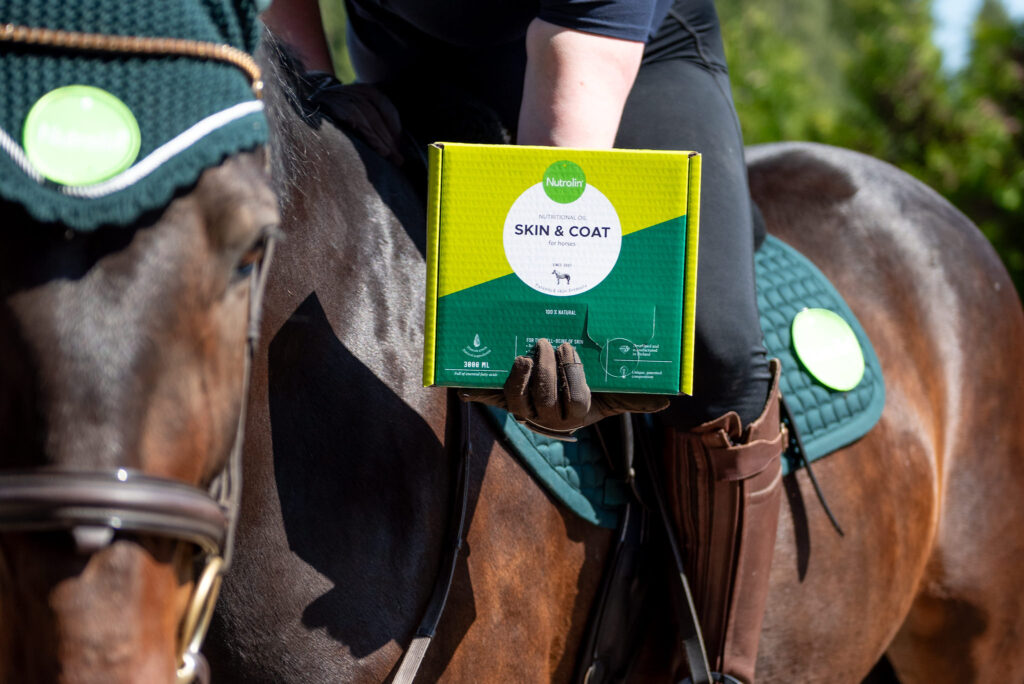
The horse’s skin continuously renews itself, while the coat undergoes seasonal shedding twice a year. Supporting these natural processes requires high-quality building materials: essential fatty acids.
We developed Nutrolin® HORSE Skin & Coat specifically to promote healthy skin, coat and mane and tail hair.
How does it help your horse?
- Reduces itching and dandruff, supports shedding
- Helps manage sweet itch, mud fever, rain rot, and atopy
- Adds shine to the coat and strengthens the mane and tail
- Nutrolin® HORSE Skin & Coat provides the essential fatty acids horses need, including high levels of linoleic acid (LA) together with ALA, GLA and SDA.
This supplement may be particularly beneficial for horses with:
- A dull or dry coat
- Sensitive or easily irritated skin
- Recurring sweet itch, mud fever or other skin challenges
-
 Nutrolin® HORSE Skin & Coat
99.90€

The lives of performance and leisure horses revolve around training and competition, placing considerable demands on the body.
In these horses, oil serves as much more than a source of calories. The right fatty acids can help support both performance and recovery.
Nutrolin® HORSE Sport contains pharmaceutical-grade fish oil that provides high levels of marine omega-3 fatty acids EPA and DHA.
How does it help your horse?
- Protects muscles, joints and tendons
- Speeds up recovery
- Supports normal gut function
- Although fish and fish oil are not natural components of the equine diet, EPA and DHA from fish oil significantly enhance the nutritional profile of modern horse feeding programmes. They help support performance and assist recovery from exercise.
This supplement may be beneficial for horses that:
- Are in active training or competition
- Require support for gastric or intestinal wellbeing
- Are used for breeding
-
Nutrolin® HORSE Sport
109.90€

Joint health is important for horses of every age, although some horses require additional support.
Nutrolin® HORSE Joint Duo uniquely combines EPA and DHA from fish oil with the joint-support nutrients glucosamine and hyaluronic acid. All active ingredients are pharmaceutical or food grade.
How does it help your horse?
- Supports and improves joint mobility
- Enhances your horse’s quality of life
The product can be used as nutritional support alongside the management of equine osteoarthritis.
This supplement may be beneficial for horses that:
- Suffer from osteoarthritis
- Show stiffness when moving off
- Appear reluctant to move according to their age and fitness level
- Are older and require additional joint support
-
 Nutrolin® HORSE Joint Duo
109.90€
Regular use supports long-term wellbeing
Fatty acids are not a quick fix, but when included consistently in the daily diet they can make a meaningful difference to the horse’s wellbeing.
Because fatty acids exert their effects at the cellular level, visible changes often develop gradually over weeks or months. Tissue fatty acid stores typically stabilise over approximately three months.
Owners who supplement plant-derived omegas commonly notice improvements in coat quality. The coat may become shinier, the mane and tail stronger, and the skin healthier in appearance.
Marine omega-3 fatty acids support performance and recovery. Better recovery may help horses cope more effectively with demanding training that requires strength, speed and endurance.
Joint-support products contribute by helping create a positive cycle. As discomfort diminishes, horses become more willing to move. Increased movement supports healthier joints and contributes to overall physical wellbeing.
Fatty acid supplements do not replace balanced nutrition, quality forage or appropriate training. They can, however, provide targeted nutritional support that complements your horse’s individual needs and promotes long-term wellbeing.


Horses

Quality matters
Horses only benefit from fatty acids when those fatty acids remain fresh and of high-quality.
Fatty acids are highly susceptible to oxidation. Exposure to light, heat and oxygen gradually alters their structure and reduces their nutritional value. Oxidised oils may place unnecessary strain on the body and compromise normal physiological function.
For this reason, high-quality fatty acid supplements place special emphasis on raw material quality, manufacturing standards and product stability.
Storage also matters. Supplements should always be stored according to the manufacturer’s recommendations and used within the recommended period after opening.
All Nutrolin® HORSE products are manufactured from premium-quality ingredients, and fatty acid quality is safeguarded throughout the production chain. To minimise oxidation, our oils are packed in aluminium-lined pouches sealed within the outer packaging, helping ensure that your horse receives the freshest possible fatty acids.

Frequently asked questions
Because horses have different needs, and no single oil can meet them all. Nutrolin® HORSE Skin & Coat supports skin and coat health, Nutrolin® HORSE Sport is designed for active horses, and Nutrolin® HORSE Joint Duo supports joint wellbeing.
All horses can benefit from fatty acid supplementation. The decision should not be based solely on workload. Diet quality, skin and coat condition, life stage and individual requirements all influence the choice of supplement.
If itching is related to dry or sensitive skin, essential fatty acids can help support normal skin function, moisture balance and the skin’s natural barrier.
Nutrolin® HORSE Skin & Coat provides the essential linoleic acid (LA) horses require, together with ALA, GLA and SDA.
However, fatty acids are not a substitute for veterinary diagnosis. Severe, persistent or worsening itchiness should always be investigated by a veterinarian.
There is no single “best” omega. Horses need several different fatty acids because each performs different functions in the body.
Plant-derived fatty acids primarily support skin, coat and mane and tail condition, while marine EPA and DHA support recovery, overall health and joint function.
Fatty acids are an investment in your horse’s future
The effects of fatty acids begin at the cellular level, but the benefits are highly visible. Healthier skin, a shinier coat, improved recovery and greater freedom of movement are just some of the outcomes associated with optimal fatty acid nutrition.
That is why an oil supplement should never be viewed simply as a source of calories. The fatty acids it contains are a vital part of promoting equine health and wellbeing.
When a horse receives the right omegas in the right amounts, it creates a strong foundation for wellbeing, performance and long-term soundness.

References:
Calder, P.C. (2017). Omega-3 fatty acids and inflammatory processes: from molecules to man. Biochem. Soc. Trans. 45(5):1105-1115
Hess, T. M., Rexford, J. K., Hansen, D. K., Harris, M., Schauermann, N., Ross, T., Engle, T. E., Allen, K. G. D., & Mulligan, C. M. (2012). Effects of two different dietary sources of long chain omega-3, highly unsaturated fatty acids on incorporation into the plasma, red blood cell, and skeletal muscle in horses. Journal of Animal Science, 90(9), 3023–3031.
Siciliano, P. D., Webel, S. K., Brown, L. S., Warren, L. K., Engle, T. E., & Burns, P. D. (2003). Effect of n-3 polyunsaturated fatty acid source on plasma fatty acid profiles of horses. Journal of Animal Science, 81(Suppl. 1), 72. (Abstract 285).
Vineyard, K. R., Warren, L. K., & Kivipelto, J. (2010). Effect of dietary omega-3 fatty acid source on plasma and red blood cell membrane composition and immune function in yearling horses. Journal of Animal Science, 88(1), 248–257.