
Cat, Dog, Nutrolin® HIP & JOINT
Support your dog’s and cat’s joints throughout life
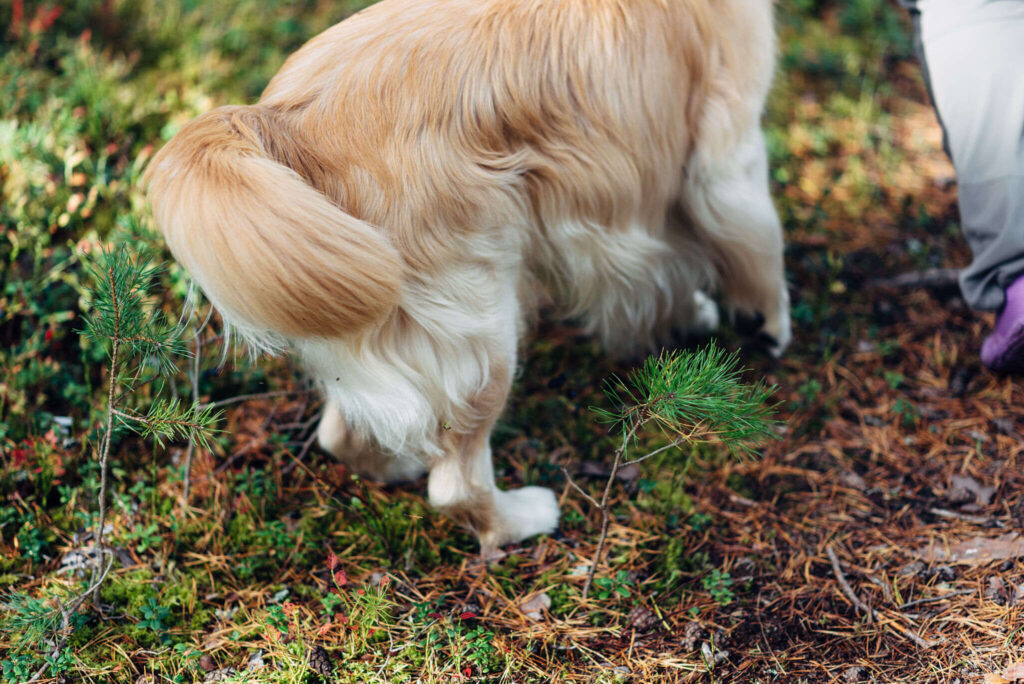
A dog’s or cat’s joint health has a direct impact on its quality of life. Stiffness after rest, reluctance to move, or a lack of interest in play are not simply signs of ageing. The right exercise, weight management and nutrition can help support healthy joint function long before problems arise. A high-quality joint supplement, such as Nutrolin® HIP & JOINT, can also contribute to long-term joint health.
Looking after joint health is worth it
When joint function begins to decline, the effects are often quickly reflected in a pet’s wellbeing.
Many owners first notice changes in everyday life. A dog may no longer be as enthusiastic about walks as it once was, or a cat’s formerly effortless leap may fall short. Stairs may be taken more slowly, and jumping into the car may require more thought. Getting up after rest may appear stiff and uncomfortable.
Whether you share your life with an active sporting dog, a large family dog or a senior pet, investing in joint health is always worthwhile.


Joint health is built on everyday choices
Many factors influence the health of joints in both pets and people.
Genetics, body size, age, activity level and, in particular, excess body weight can all increase stress on the joints. The joints of active sporting and working dogs are also subjected to considerable strain, as repeated impact places stress on joint structures.
Cats deserve just as much attention. Osteoarthritis affects an estimated 30-40% of cats of all ages and almost all cats over 12 years of age.
Fortunately, joint health can be supported through daily choices. Appropriate exercise, a balanced diet and maintaining a healthy body condition all contribute to healthy joints.
At Nutrolin®, we are especially interested in the role of the marine omega-3 fatty acids EPA and DHA. Their effects on joint health have been extensively studied. By combining these important fatty acids with glucosamine and chondroitin sulphate, two well-known joint-supporting nutrients, we created Nutrolin® HIP & JOINT: a trusted joint supplement that provides unique support for dogs’ and cats’ joints.
-
 Nutrolin® HIP & JOINT paste
49.90€ 99.90€Price range: 49.90€ through 99.90€
testimonial
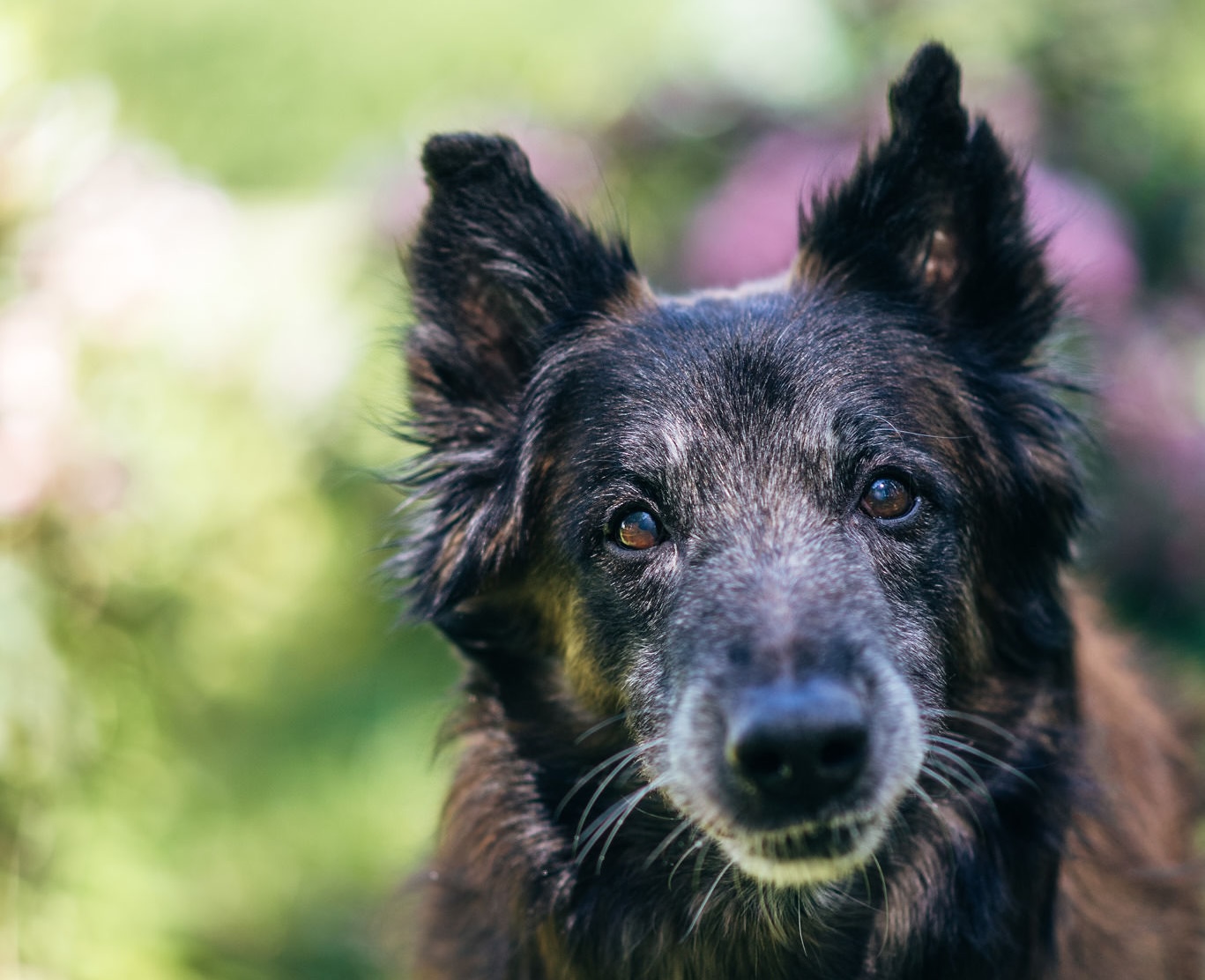
Meet Molly, our Managing Director Cassu’s 16-year-old Spanish Water Dog.
Despite her age, Molly remained cheerful and full of character, but the years were beginning to show in her movement.
When Cassu joined Nutrolin®, one of the first things we did was send a couple of tubes of Nutrolin® HIP & JOINT home with him for Molly.
A few weeks later, a delighted dog owner returned to the office:
“Molly is playing and moving around again. Best of all, her mobility has actually improved.”
Well done, Molly and Cassu!
The importance of exercise cannot be overstated
Provide your dog or cat with varied, appropriate exercise. Match activity levels to your pet’s abilities and allow them to move on different surfaces whenever possible. For example, a walk along a soft forest trail provides a joint-friendly surface while offering valuable mental stimulation through scents and exploration.
Owners should also encourage pets to use a variety of gaits. Many dogs spend most of their time moving at an easy trot, but short gallops and very slow, controlled walking can strengthen the body in different ways.
Don’t forget the core muscles. Wading in shallow water, swimming and walking calmly uphill while carrying a toy can all help strengthen the deep stabilising muscles that support movement and joint function.
Consistency matters too. Long, strenuous weekend adventures do not compensate for a lack of everyday exercise. From a joint-health perspective, regular moderate activity is generally more beneficial than occasional intense exertion.
For pets with joint disease, however, sudden twisting movements and abrupt changes of direction should be avoided.
Home should be a safe haven for joints
For senior pets and those living with joint conditions such as osteoarthritis, comfort at home is particularly important.
Slippery surfaces can increase the strain on joints, so rugs, ramps and carefully positioned resting places can make daily life much easier. If mobility becomes difficult, the home environment should be adapted to support the pet and reduce unnecessary strain.
A healthy weight matters
We know that excess weight significantly increases stress on the joints.
A balanced diet and appropriate exercise help maintain an ideal body condition. This reduces pressure on the joints and makes movement easier and more comfortable.
If mobility is reduced, nutrition becomes even more important for successful weight management.
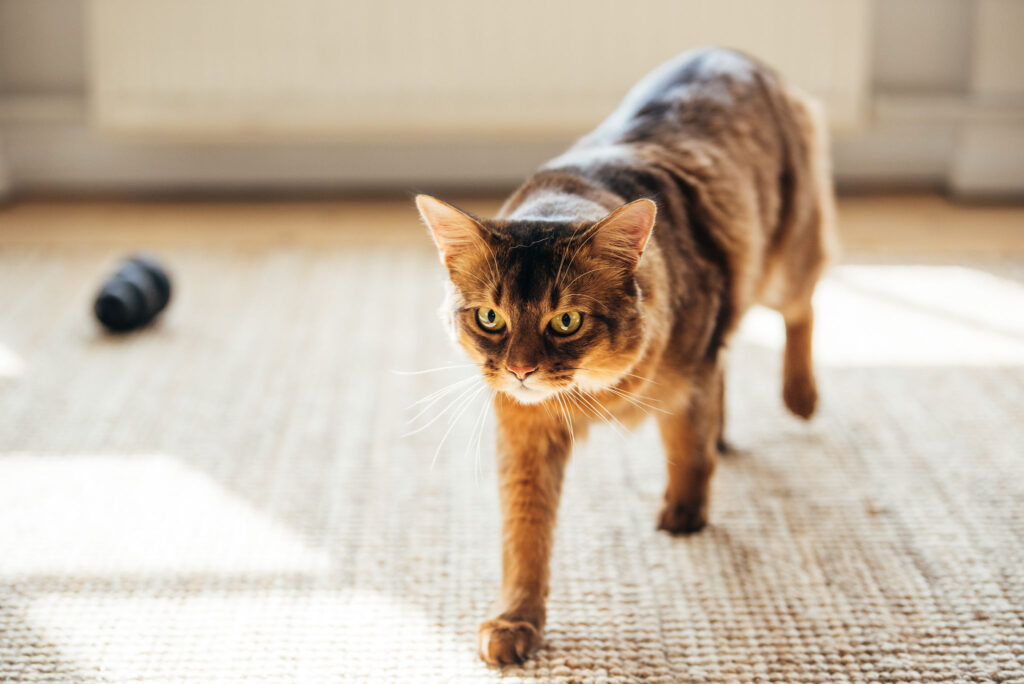
Osteoarthritis is the most common joint disease in dogs and cats
Osteoarthritis is a painful condition in both dogs and cats, and unfortunately there is no cure. If your dog or cat is lame or stiff, your veterinarian can take X-rays to determine whether osteoarthritis is the cause. As the disease progresses, the symptoms typically become more pronounced.
In osteoarthritis, the smooth cartilage covering the joint surfaces gradually deteriorates, and structural changes occur within the joint. Inflammation may also develop in the synovial membrane, contributing to further joint damage.
Although the risk increases with age, osteoarthritis is not solely a disease of senior pets. It can also affect younger dogs and cats as a result of developmental joint disorders, injuries or excessive strain on the joints.
Osteoarthritis is estimated to affect around one in five dogs at some point in their lives. In cats, more than one-third are believed to suffer from osteoarthritis, and the condition affects almost all cats over 12 years of age.
Although osteoarthritis cannot be cured, its progression and impact on quality of life can often be managed effectively. Key strategies include weight management, appropriate exercise, veterinary treatment when required, and nutritional support.
Nutrolin® HIP & JOINT is a joint supplement designed to support the prevention and management of osteoarthritis in dogs and cats. For horses requiring nutritional support for osteoarthritis, we recommend Nutrolin® HORSE Joint Duo.


Fatty acids and joint nutrients in support of joint health
Fatty acids, omegas, and certain key nutrients play an important role in maintaining healthy joints.
The effects of fish-oil-derived omega-3 fatty acids on canine osteoarthritis have been evaluated in eight placebo-controlled studies (Söderlund & Heikkilä, 2019).
With the exception of one study, dietary fish oil supplementation produced beneficial effects in dogs with osteoarthritis. Fish oil has been shown to improve mobility, reduce lameness and pain, increase weight-bearing on affected joints, and lower the concentration of inflammatory proteins in synovial fluid. The scientific evidence supporting the use of fish-oil-derived omega-3 fatty acids for managing osteoarthritis-related pain in dogs is now considered strong (Vandeweerd et al., 2012).
Studies have shown that only sufficiently high levels of the omega-3 fatty acids EPA and DHA, obtained from fish oil or microalgae oil, help regulate inflammatory processes associated with osteoarthritis (e.g. Calder, 2017; Serhan & Levy, 2018).
Nutrolin® HIP & JOINT is the only joint supplement for dogs and cats on the market that provides the scientifically established amount of EPA and DHA required to support joint health.
-
Nutrolin® HIP & JOINT paste
49.90€ 99.90€Price range: 49.90€ through 99.90€
Where do dogs and cats get the omega-3 fatty acids they need?
Salmon oil is one of the best-known sources of EPA and DHA. However, its omega-3 content has declined significantly during the 21st century.
This change is largely due to the increasing use of rapeseed oil instead of fish oil in salmon farming feeds. As a result, salmon oil is no longer the most sensible choice when high levels of marine omega-3 fatty acids are required.
To provide a dog or cat with the amount of EPA and DHA used in osteoarthritis studies, more than four times as much salmon oil would be needed compared with a high-quality fish oil supplement. For this reason, a high-quality fish oil or microalgae oil rich in EPA and DHA is generally the better option.
Plant oils also contain omega-3 fatty acids, but they do not function in the same way as marine omega-3s and do not help regulate inflammatory processes associated with osteoarthritis.
The most common omega-3 fatty acid in plant oils is alpha-linolenic acid (ALA). While ALA can be converted into EPA, the conversion rate is extremely low. As a result, plant oils cannot realistically meet the omega-3 requirements of pets with osteoarthritis.
Glucosamine and chondroitin for dogs’ and cats’ joints
While omega-3 fatty acids have been extensively researched, glucosamine and chondroitin sulphate have been evaluated in relatively few studies involving dogs with osteoarthritis. Nevertheless, several theories have been proposed to explain their beneficial effects.
Glucosamine serves as a precursor for glycosaminoglycans found in joint tissues, while chondroitin sulphate is an essential structural component of cartilage. Both nutrients are involved in maintaining healthy cartilage and may help slow the progression of cartilage damage.
Studies at tissue level have also demonstrated that glucosamine and chondroitin sulphate can help regulate inflammatory processes within joint tissues.
It is possible that the mechanisms of marine omega-3 fatty acids, glucosamine and chondroitin sulphate complement one another, making the combined effect of these three nutrients greater than the effect of any single ingredient alone.
Although the research base is relatively limited, glucosamine and chondroitin remain the most widely used joint supplement combination for dogs. Their popularity appears to be driven as much by positive user experiences as by scientific evidence.
Glucosamine and chondroitin are also widely used in human osteoarthritis management. Strong enough evidence exists for their use, individually and in combination, during the early stages of osteoarthritis (Kucharz et al., 2019).

Choose Nutrolin® HIP & JOINT when your dog’s or cat’s joints need support
Nutrolin® HIP & JOINT uniquely combines fish-oil-derived EPA and DHA omega-3 fatty acids with the joint nutrients glucosamine and chondroitin sulphate.
The omega-3 fatty acids help protect the joints, while glucosamine and chondroitin sulfate support the renewal of joint tissue.
Together, they provide benefits that are greater than the sum of their parts.
Nutrolin® HIP & JOINT is a tasty omega paste that is easy to add to your pet’s daily food.
How can Nutrolin® HIP & JOINT help your dog or cat?
- Supports and improves joint mobility
- Helps your pet stay active
Nutrolin® HIP & JOINT may benefit pets that:
- Have osteoarthritis
- Show stiffness when getting up or seem reluctant to move according to their age and fitness level
- Need additional support for their joints because of age, growth or increased demands on the musculoskeletal system
Nutrolin® HIP & JOINT is the only joint supplement on the market that contains a scientifically established amount of fatty acids. That is why it offers truly unique support for joint health.
All active ingredients are pharmaceutical or food grade. The paste is packaged in aluminium, which protects it from light and oxidation. Because oxidised oils may be harmful, it is worth paying attention to the quality of the packaging as well as the product itself.
Nutrolin® HIP & JOINT does not replace veterinary examination or treatment, but it can play an important role as part of a long-term joint support programme alongside appropriate nutrition, exercise and weight management.
When should you see a veterinarian?
There is a great deal you can do at home to support your pet’s joint health, but sometimes a veterinary examination is needed to identify the cause of symptoms and determine the most appropriate treatment.
Book an appointment with your veterinarian if your dog or cat:
- Is limping or favouring a limb
- Is noticeably less willing to move than before
- Hesitates to jump into the car, onto furniture, or avoids stairs
- Appears stiff after resting
- No longer enjoys walks or play as much as before
- Reacts to touch or shows signs of pain when moving
- Develops symptoms suddenly or the symptoms worsen rapidly
Osteoarthritis and many other joint disorders usually develop gradually. The earlier changes are recognised, the better the chances of maintaining your pet’s mobility and quality of life.
Who can benefit from Nutrolin® HIP & JOINT?
Supporting and maintaining joint health is important for every pet. Many dogs and cats can also benefit from nutritional support long before the first signs of joint problems appear.
Gentle giants
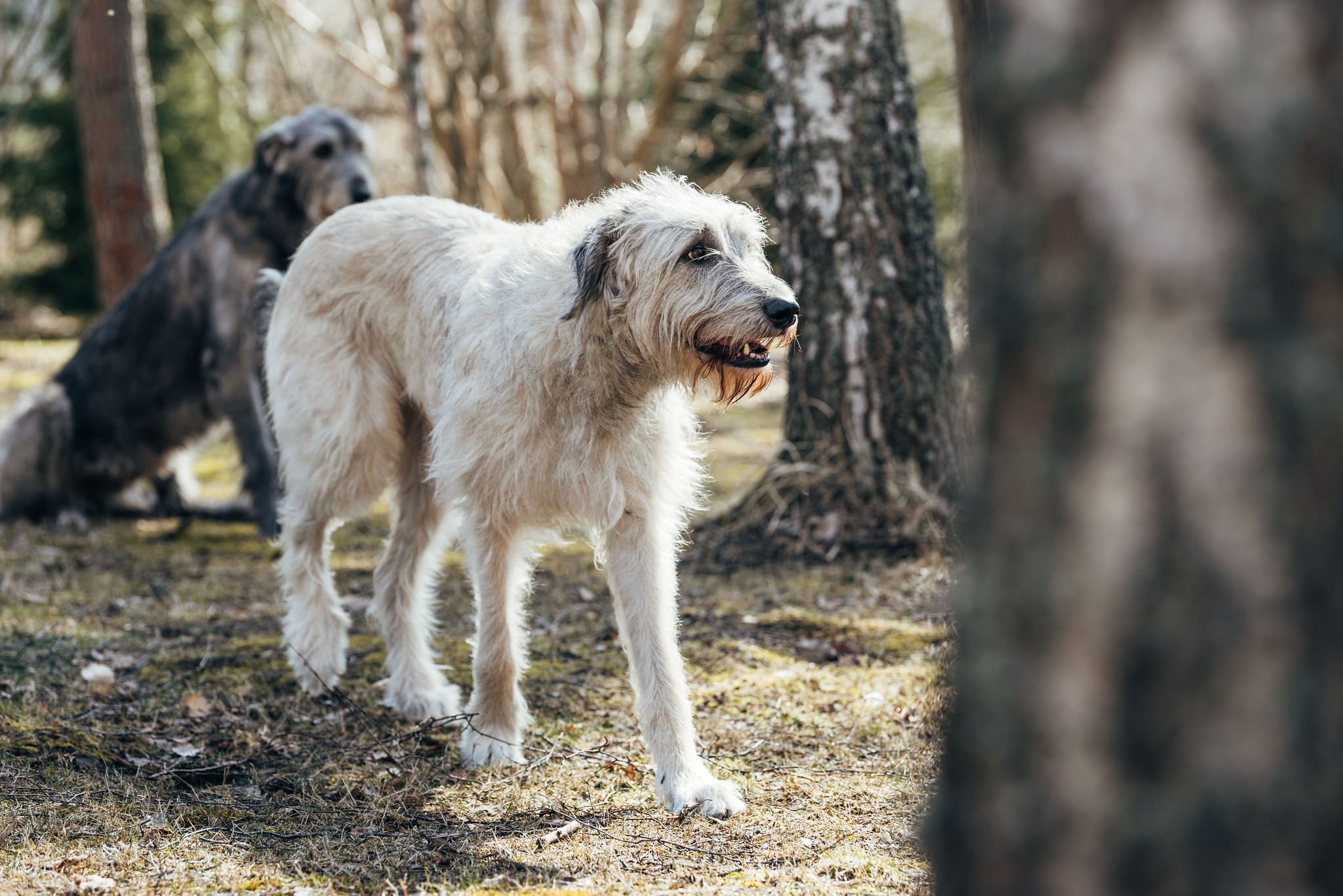
Great Danes, Irish Wolfhounds, Saint Bernards and other giant dogs place considerable demands on their joints throughout their lives. The larger the dog, the greater the load placed on the joints with every step. That is why supporting joint health early in life is a sensible investment.
Puppies expected to grow large
Growth places significant demands on developing joints.
Rapid growth spurts and increasing body weight place additional stress on the musculoskeletal system. The active ingredients in Nutrolin® HIP & JOINT help support joint health during growth and provide a strong foundation for an active future.
For puppies, Nutrolin® PUPPY & MOM is the primary fatty acid supplement of choice. During periods of rapid growth, you may choose to switch temporarily to Nutrolin® HIP & JOINT. For kittens, we recommend Nutrolin® KITTEN & ADULT oil.

Dogs whose hip and elbow scores bring unexpected news
If hip screening results are less favourable than hoped or elbow screening reveals abnormalities, it makes sense to start supporting joint health as early as possible.
Preventive nutritional support may be beneficial even before any symptoms become apparent.

Before and after orthopaedic surgery
Joint health remains important during recovery.
Nutrolin® HIP & JOINT can form part of a comprehensive support programme when a dog or cat is preparing for orthopaedic surgery or recovering afterwards, following the guidance of a veterinarian or animal physiotherapist.
For best results, begin supplementing with Nutrolin® HIP & JOINT well before the operation.
Senior pets
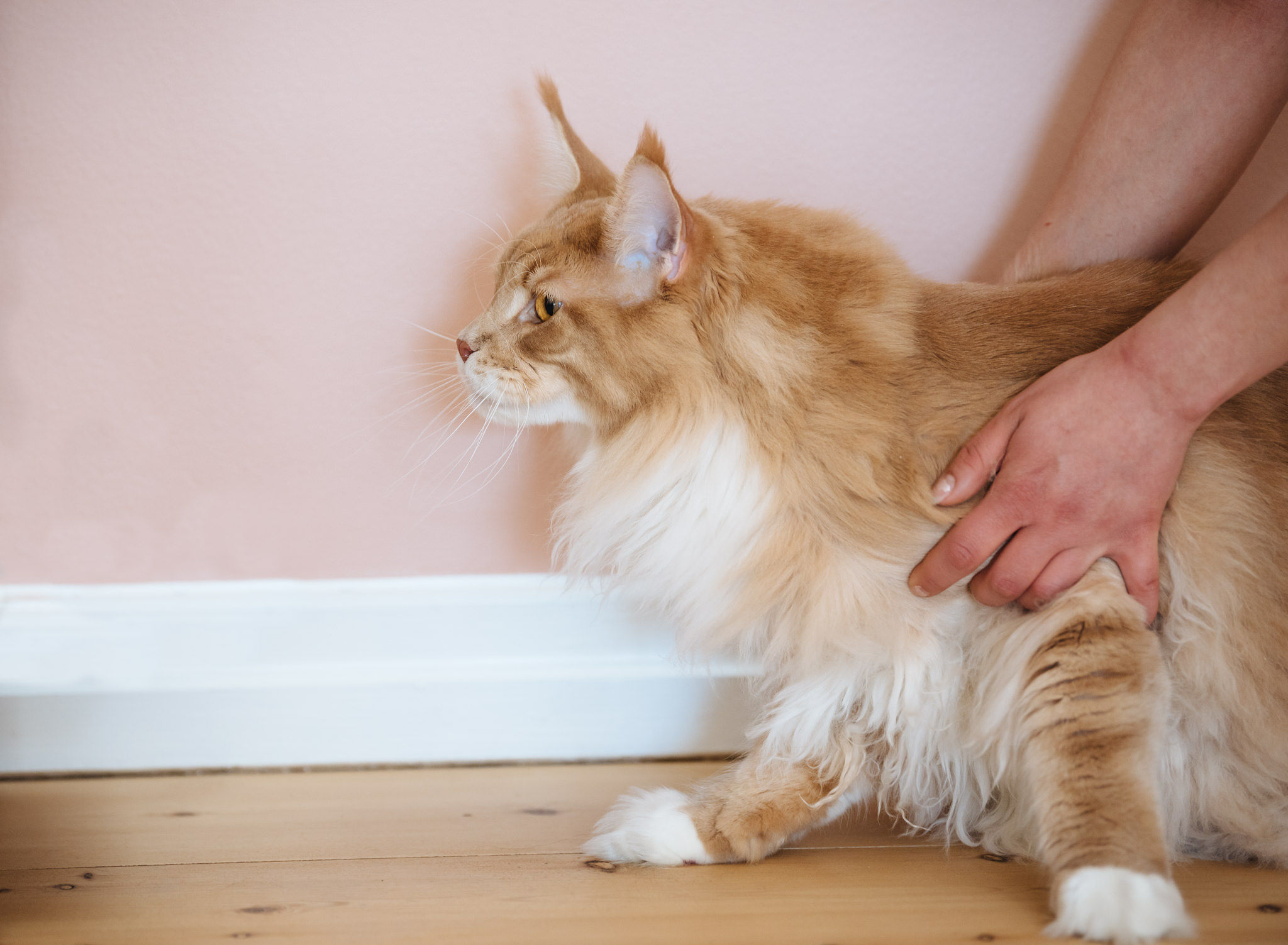
If your pet is slow to get moving in the morning, finds stairs more challenging than before or no longer seems enthusiastic about long walks, additional joint support may help maintain mobility and an active lifestyle for as long as possible.
Frequently Asked Questions
Yes.
Many owners use Nutrolin® HIP & JOINT proactively. Large-breed dogs, highly active dogs, sporting dogs and dogs with a hereditary predisposition to joint problems may all benefit from long-term joint support.
The product is suitable for both puppies and adult dogs, as well as cats.
Puppies that are expected to become large adults may benefit from nutritional support for their joints during periods of growth.
Yes.
Cats can also suffer from osteoarthritis and age-related changes in their joints. Supporting joint health may help maintain mobility, comfort and activity levels throughout life.
In studies, beneficial effects were observed within 2 to 6 weeks.
Nutrolin® HIP & JOINT was developed and tested over a two-year period before its launch in 2013. In addition, a pilot study was conducted at the Faculty of Veterinary Medicine, University of Helsinki.
Researchers evaluated the product in dogs with hip osteoarthritis and chronic pain. Pain levels were monitored using a validated pain index developed by Professor Anna Hielm-Björkman’s research group.
During the three-month follow-up period, osteoarthritis-related pain decreased significantly in the participating dogs (Seppälä & Hielm-Björkman, 2013).
Yes.
Nutrolin® HIP & JOINT is not a medicine but a fatty acid supplement containing joint-supporting nutrients.
Many veterinarians recommend omega fatty acids and joint supplements as part of a comprehensive osteoarthritis support programme. If you have any concerns regarding your pet’s health or treatment plan, it is always advisable to consult your veterinarian.
testimonial
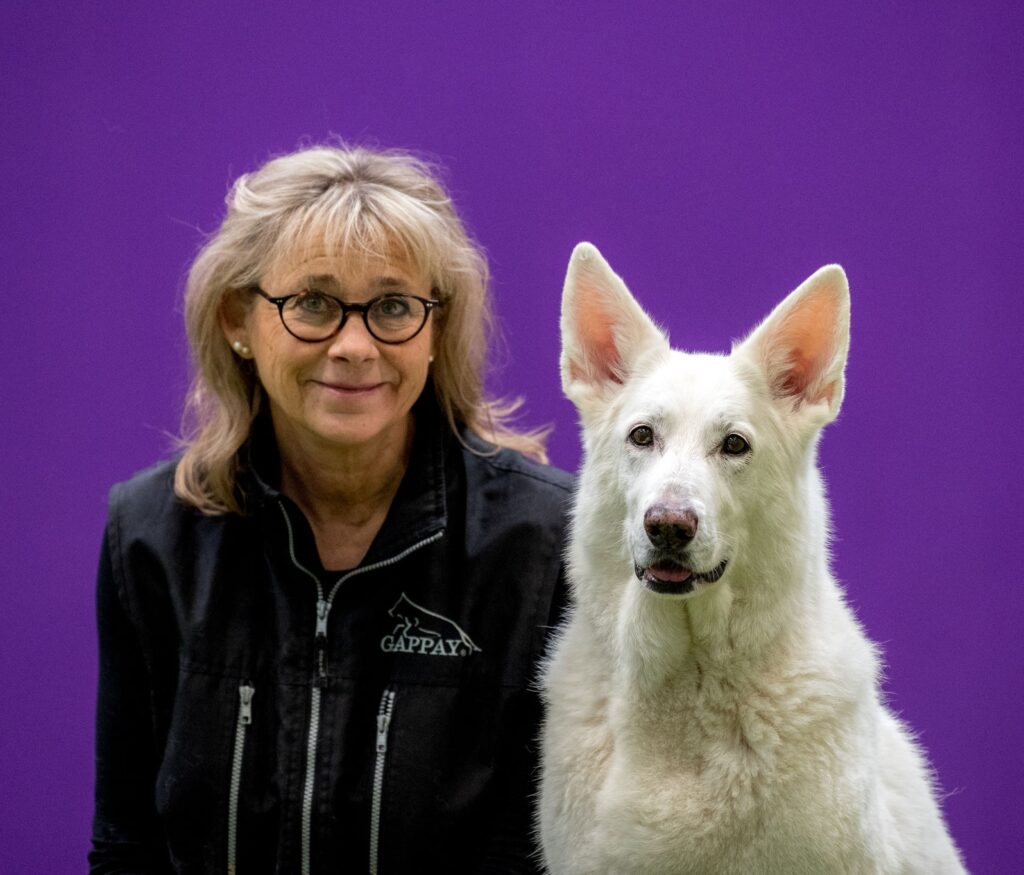
An osteoarthritis diagnosis came as a shock to Janina Wallgren, who was actively training and competing with her enthusiastic and highly promising two-year-old dog, Zuli.
Zuli was everything Janina had hoped for when she set out to find a new sporting companion a few years earlier.
Janina and Zuli were invited to participate in a trial group evaluating Nutrolin®’s new joint supplement.
During the trial period, Zuli’s movement became noticeably easier, and Janina was even able to gradually reduce her dog’s pain medication.
The results were extremely encouraging. When Nutrolin® Nivel Moniteho (now Nutrolin® HIP & JOINT) became commercially available, Janina decided to continue using it.
“Zuli’s osteoarthritis remained completely stable for more than six years with Nutrolin® joint support alone, without pain medication. We were both so happy to return to our favourite activities, and we continued competing in rally obedience and obedience trials until Zuli was over nine years old.”
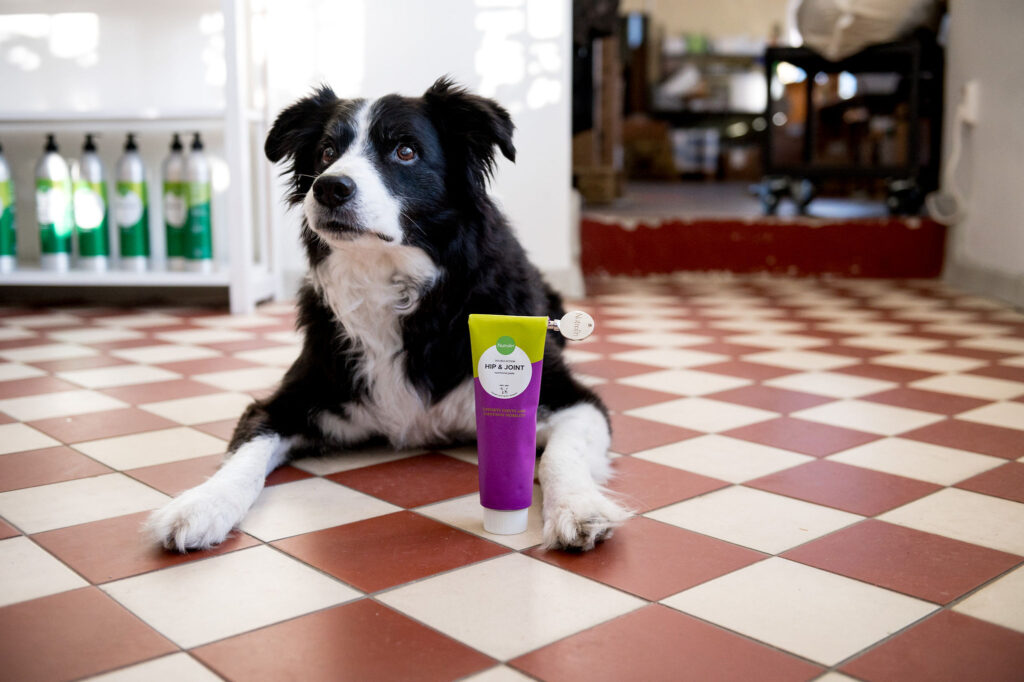
Nutrolin® HIP & JOINT
Unique support – Freedom to move
- Supports and improves joint mobility
- Helps your pet stay active

High-quality ingredients

High levels of active ingredients
Developed and manufactured in Finland

Strong scientific background
References:
Calder, P.C. (2017). Omega-3 fatty acids and inflammatory processes: from molecules to man. Biochem. Soc. Trans. 45(5):1105-1115
Kucharz, E.J., Szántó, S., Ivanova Goycheva, M., et al. (2019). Endorsement by Central European experts of the revised ESCEO algorithm for the management of knee osteoarthritis. Rheumatology International, 39(7), 1117–1123.
Seppälä, J., & Hielm-Björkman, A. (2013). A small case series of dogs suffering from canine hip dysplasia supplemented with a joint formula consisting of fish oil, glucosamine HCl, chondroitin sulfate and MSM (Nutrolin Nivel®). Poster presented at the Finnish Veterinary Congress (Eläinlääkäripäivät), Finland.
Serhan, C.N., & Levy, B.D. (2018). Resolvins in inflammation: emergence of the pro-resolving superfamily of mediators. J. Clin. Invest. 128(7): 2657–2669.
Söderlund, E., & Heikkilä, H. (2019). Suun kautta annettavat nivelravinteet koiran nivelrikon hoidossa – kirjallisuuskatsaus [Use of oral joint supplements in treatment of osteoarthritis in dogs – Review]. Suomen Eläinlääkärilehti, 125(7), 407–413.
Vandeweerd, J.-M., Coisnon, C., Clegg, P., Cambier, C., Pierson, A., Hontoir, F., Saegerman, C., Gustin, P., & Buczinski, S. (2012). Systematic review of efficacy of nutraceuticals to alleviate clinical signs of osteoarthritis. Journal of Veterinary Internal Medicine, 26(3), 448–456.